Tarbiyah in Islam: Character Building Beyond Rituals
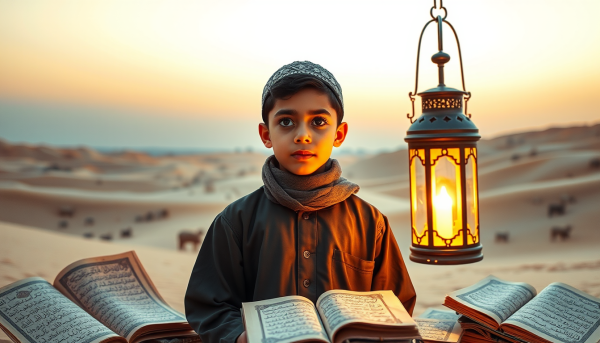
Islamic education is not limited to memorizing duas or performing rituals—it is a holistic system of Tarbiyah that shapes behaviour, emotional intelligence, and moral values. A UNICEF report (2023) found that children receiving values-based education show 30% better social behaviour and stronger empathy. Many Muslim communities focus on building daily habits like honesty, kindness, and respect—qualities the Prophet ﷺ emphasized even before teaching formal worship.
Real-life examples show how Tarbiyah transforms communities. A school in Kerala observed significant improvement in discipline after introducing a “Sunnah of the Week” program. Similarly, a madrasa in Hyderabad began monthly community-service visits, resulting in a 40% reduction in student conflicts. In Bhopal, a youth group studying conflict-resolution from the Seerah reported better communication and emotional control at home. These cases show that Islamic education builds strong, ethical, and responsible individuals.
🔹 Pivotal aspects,
- Tarbiyah in daily manners (Akhlaq)
- Tarbiyah at home – the first classroom
- Tarbiyah in social interactions
- Tarbiyah in modern digital life
- Tarbiyah through acts of service
- Islamic parenting examples
- Spiritual growth in Islam
- Islamic studies for beginners
🌿 1. Tarbiyah in Daily Manners (Akhlaq)
Tarbiyah begins with simple everyday practices—greeting with a smile, speaking kindly, waiting for our turn, avoiding hurtful words, and keeping promises. Behavioural science studies show that consistent small habits build long-term discipline. Islam teaches that “the most beloved deeds to Allah are those done consistently,” reminding us that character is shaped daily. Even teaching a child to say Bismillah fosters mindfulness and gratitude.
🌱 2. Tarbiyah at Home: The First Classroom
The Prophet ﷺ said, “Every one of you is a shepherd,” highlighting that parents shape character more through actions than words. Research (2022) shows children imitate 70% of moral behaviour they observe at home. When children see honesty, patience, and kindness in their environment—returning extra change, speaking respectfully, helping neighbours—they internalize these qualities naturally.
🤝 3. Tarbiyah in Social Interactions
Islamic character shines in how we treat people—family members, friends, workers, or strangers. Saying “thank you,” helping someone in need, or forgiving small mistakes reflects Quranic values. Tarbiyah becomes real when we control anger, avoid gossip, and give others the benefit of the doubt. These traits reduce social tensions and strengthen community bonds.
📱 4. Tarbiyah in Modern Life: Digital Behaviour
In today’s digital age, character extends to online behaviour. Avoiding insults, not forwarding misinformation, and maintaining kindness online are essential Islamic values. A 2024 cyber-ethics study found that 55% of harmful online behaviour comes from emotional impulsiveness—something Islam addresses through teachings on patience and controlling the tongue.
💖 5. Tarbiyah Through Acts of Service
Helping classmates, feeding animals, comforting someone, or giving charity nurtures compassion. Research shows that volunteering increases empathy in youth by up to 50%. Islam teaches that even removing harm from a pathway is charity, proving that character is shaped through everyday good deeds—not only major religious acts.
🌟 Conclusion: Tarbiyah as a Lifelong Journey
Tarbiyah is a lifelong journey that shapes who we are in public and private. It influences how we speak, treat others, manage emotions, and behave when no one is watching. True success in Islam lies not only in rituals but also in building a heart that is sincere, patient, humble, and God-conscious.
Rituals connect us to Allah, but character connects us to people—both are essential. When we practice honesty in the marketplace, kindness at home, patience on the road, gratitude during hardships, and humility online, we live the true spirit of Islam. Tarbiyah transforms faith into beautiful character and knowledge into meaningful action.


No comments:
Post a Comment