Friday, February 6, 2026

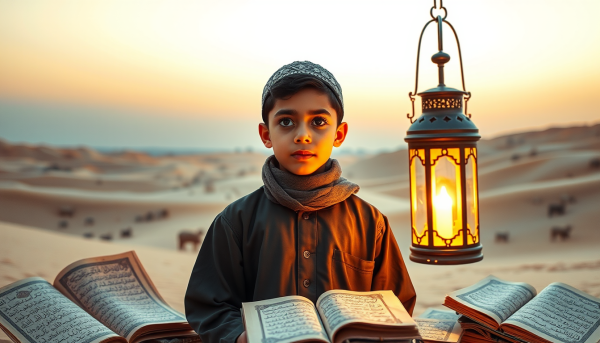
Shaan of Shaban – The Blessed Month Before Ramadan

🌙 Shaan of Shaban — Shaban Month: Duas, Good Deeds & Preparation for Ramadan

Shaan of Shaban - Importance of Shaban in Islam

Shaban is one of the most spiritually powerful months in the Islamic calendar and serves as a bridge between the sacred months of Rajab and Ramadan. Many believers overlook this month, yet the Prophet Muhammad ﷺ placed great importance on it, using it as a time to increase worship, fasting, repentance, and preparation for the blessed month of fasting. Shaban provides Muslims with an opportunity to spiritually reset, purify their hearts, and strengthen their relationship with Allah before entering Ramadan.

This blessed month teaches consistency in worship, sincerity in intention, and readiness of the soul. By fasting voluntarily, reciting the Qur’an regularly, making sincere dua, and improving character during Shaban, believers build a strong foundation for Ramadan. This article explains Shaban Month: Duas, Good Deeds, Authentic Hadith by Prophet Muhammad ﷺ and Preparation for Ramadan in English, Hindi and Urdu using reliable Islamic references and SEO-friendly structure.


🌙 English Section

The month of Shaban is often called the gateway to Ramadan because it spiritually prepares believers for the discipline, patience, and devotion required during fasting. Many people focus on Ramadan alone and overlook Shaban, yet this month holds immense blessings and rewards. During Shaban, believers are encouraged to revive their connection with Allah by increasing voluntary worship, fasting, and seeking forgiveness. It is a time when hearts soften, intentions become sincere, and the soul gradually adjusts to the rhythm of Ramadan.

Spiritually, Shaban helps cleanse the heart from sins, distractions, and negligence. It allows Muslims to reflect on their relationship with Allah, mend broken ties, forgive others, and seek personal reform. Scholars explain that Shaban acts like a training ground, preparing both the body and soul for the long fasts and intense worship of Ramadan. Those who observe Shaban with sincerity often find Ramadan easier, more peaceful, and more spiritually productive.

Shaban is also a month of hope, as Allah’s mercy is vast and doors of repentance remain wide open. It is the perfect time to develop good habits such as daily Qur’an recitation, punctual prayers, charity, and remembrance of Allah. When these practices begin in Shaban, they naturally continue in Ramadan, making worship more meaningful and consistent.

Importance of Shaban in Islam

  • Shaban comes between Rajab and Ramadan
  • It is a month of forgiveness, mercy, and spiritual renewal
  • Deeds are presented to Allah during this month
  • It trains believers for fasting and worship in Ramadan
  • It revives neglected acts of devotion and sincerity

Authentic Hadith about Shaban

Usamah bin Zaid (رضي الله عنه) said: "I said: O Messenger of Allah, I do not see you fasting in any month as much as you fast in Shaban." He ﷺ said: "That is a month people neglect between Rajab and Ramadan. It is a month in which deeds are raised to the Lord of the worlds, and I love that my deeds be raised while I am fasting."

(Sunan an-Nasa’i 2357 – Hasan)

Aishah (رضي الله عنها) said: "The Messenger of Allah ﷺ used to fast so much in Shaban that we thought he would not stop fasting."

(Sahih al-Bukhari 1969, Sahih Muslim 1156)

Shaban Month: Duas

  • "Allahumma barik lana fi Shaban wa ballighna Ramadan."
  • "Rabbi ighfir li wa tub ‘alayya innaka Antat-Tawwabur-Raheem."
  • "Ya Allah, purify our hearts and prepare us for Ramadan."

Good Deeds in Shaban

  • Voluntary fasting (especially Mondays and Thursdays)
  • Daily Qur’an recitation and reflection
  • Charity and helping the needy
  • Seeking forgiveness (Istighfar)
  • Sending salutations upon the Prophet ﷺ (Durood)
  • Strengthening family ties and forgiving others

Preparation for Ramadan

  • Train yourself to fast before Ramadan
  • Develop consistency in prayers
  • Start daily Qur’an recitation
  • Leave bad habits and sins
  • Set clear spiritual goals for Ramadan
  • Improve patience, character, and sincerity

🌙 Hindi Section (हिन्दी)

शाबान का महीना रमजान की तैयारी का सबसे बेहतरीन समय माना जाता है। यह महीना हमें इबादत की ओर लौटने, अल्लाह से माफी माँगने और अपने आमाल सुधारने का मौका देता है। बहुत से लोग केवल रमजान पर ध्यान देते हैं, लेकिन शाबान वास्तव में वह पुल है जो रजब और रमजान को जोड़ता है और हमें रोज़ों तथा इबादत के लिए मानसिक और आध्यात्मिक रूप से तैयार करता है।

शाबान हमें सिखाता है कि कैसे अपने दिल को गुनाहों से पाक करें, रिश्तों को बेहतर बनाएँ और अल्लाह की रहमत की ओर लौटें। इस महीने में नफ़्ल रोज़े रखना, कुरआन पढ़ना और दुआ करना हमें धीरे-धीरे रमजान के माहौल में प्रवेश कराता है। जिन लोगों ने शाबान को सही तरीके से अपनाया, उनके लिए रमजान आसान, शांतिपूर्ण और अधिक फलदायी बन जाता है।

यह महीना आत्म-सुधार, आत्म-समीक्षा और नियत की शुद्धता का समय है। शाबान हमें यह एहसास दिलाता है कि रमजान केवल भूखे रहने का नाम नहीं, बल्कि दिल, ज़बान और व्यवहार को सुधारने का एक महान अवसर है।

इस्लाम में शाबान का महत्व

  • रजब और रमजान के बीच आने वाला महीना
  • रहमत, मग़फिरत और आत्म-सुधार का समय
  • आमाल अल्लाह के सामने पेश किए जाते हैं
  • रमजान के रोज़ों की शारीरिक और आत्मिक तैयारी
  • इबादत में निरंतरता विकसित करने का अवसर

शाबान से संबंधित सही हदीस

हज़रत उसामा बिन ज़ैद (رضي الله عنه) कहते हैं: मैंने पूछा: या रसूलुल्लाह ﷺ! मैं आपको किसी और महीने में इतना रोज़ा रखते नहीं देखता जितना शाबान में रखते हैं। आप ﷺ ने फरमाया: "यह वह महीना है जिसे लोग रजब और रमजान के बीच भूल जाते हैं। इसी महीने में आमाल रब के सामने पेश किए जाते हैं और मुझे पसंद है कि मेरे आमाल रोज़े की हालत में पेश हों।"

(सुनन नसाई: 2357)

हज़रत आयशा (رضي الله عنها) फरमाती हैं: नबी ﷺ शाबान में इतने रोज़े रखते थे कि लगता था आप रोज़ा कभी छोड़ेंगे ही नहीं।

(सहीह बुखारी 1969, सहीह मुस्लिम 1156)

शाबान की दुआएं

  • "ऐ अल्लाह! हमें शाबान में बरकत दे और हमें रमजान तक पहुँचा।"
  • "ऐ मेरे रब! मुझे माफ कर और मेरी तौबा क़ुबूल फरमा।"
  • "ऐ अल्लाह! हमारे दिलों को पाक कर और हमें नेक आमाल की तौफीक़ दे।"

शाबान में करने वाले अच्छे काम

  • नफ़्ल रोज़े रखना
  • कुरआन की तिलावत और समझ
  • सदका और ज़रूरतमंदों की मदद
  • अस्तग़फार और तौबा
  • दरूद शरीफ पढ़ना
  • रिश्तों को सुधारना और माफ करना

रमजान की तैयारी कैसे करें?

  • रोज़े की आदत डालना
  • नमाज़ में पाबंदी और ध्यान बढ़ाना
  • कुरआन पढ़ने का नियमित समय तय करना
  • गुनाहों और बुरी आदतों से दूरी बनाना
  • रमजान के लिए इबादत के लक्ष्य तय करना
  • अख़लाक़ और सब्र में सुधार करना

🌙 Urdu Section (اردو)

شعبان کا مہینہ رمضان کی روحانی تیاری کا بہترین ذریعہ ہے۔ یہ مہینہ ہمیں غفلت سے بیدار کرتا ہے اور عبادت، دعا اور توبہ کی طرف متوجہ کرتا ہے۔ بہت سے لوگ صرف رمضان پر توجہ دیتے ہیں، لیکن درحقیقت شعبان وہ پل ہے جو ہمیں رمضان کی برکتوں کے لیے ذہنی اور روحانی طور پر تیار کرتا ہے۔

شعبان میں نفل روزے، قرآن کی تلاوت، ذکرِ الٰہی اور استغفار دل کو نرم کرتے ہیں اور ایمان کو تازہ کرتے ہیں۔ یہ مہینہ ہمیں اپنے اعمال کا جائزہ لینے، اپنی کوتاہیوں کو سدھارنے اور اللہ کے قریب ہونے کا موقع فراہم کرتا ہے۔ جو لوگ شعبان میں عبادت کا ذوق پیدا کر لیتے ہیں، ان کے لیے رمضان زیادہ آسان، پُرسکون اور بابرکت بن جاتا ہے۔

یہ مہینہ ہمیں سکھاتا ہے کہ رمضان صرف بھوک اور پیاس کا نام نہیں بلکہ دل کی پاکیزگی، اخلاق کی بہتری اور اللہ سے مضبوط تعلق کا ذریعہ ہے۔ شعبان میں شروع کی گئی نیکیوں کی عادت رمضان میں مضبوط ہو جاتی ہے اور پورے سال کے لیے ہدایت کا ذریعہ بنتی ہے۔

اسلام میں شعبان کی اہمیت

  • رجب اور رمضان کے درمیان آنے والا مہینہ
  • رحمت، مغفرت اور اصلاح کا وقت
  • اعمال رب العالمین کے حضور پیش کیے جاتے ہیں
  • رمضان کے روزوں کی روحانی تربیت
  • غفلت سے نکل کر عبادت کی طرف لوٹنے کا موقع

شعبان کے بارے میں صحیح احادیث

حضرت اسامہ بن زیدؓ فرماتے ہیں: میں نے عرض کیا: یا رسول اللہ ﷺ! میں آپ کو کسی اور مہینے میں اتنے روزے رکھتے نہیں دیکھتا جتنے شعبان میں رکھتے ہیں۔ آپ ﷺ نے فرمایا: "یہ وہ مہینہ ہے جسے لوگ رجب اور رمضان کے درمیان بھول جاتے ہیں۔ اسی مہینے میں اعمال رب العالمین کے سامنے پیش کیے جاتے ہیں اور مجھے پسند ہے کہ میرے اعمال روزے کی حالت میں پیش ہوں۔"

(سنن نسائی: 2357)

حضرت عائشہؓ فرماتی ہیں: نبی کریم ﷺ شعبان میں اتنے روزے رکھتے تھے کہ ہم سمجھتے آپ روزہ چھوڑیں گے ہی نہیں۔

(صحیح بخاری 1969، صحیح مسلم 1156)

شعبان کی دعائیں

  • "اے اللہ! ہمارے لیے شعبان میں برکت عطا فرما اور ہمیں رمضان نصیب فرما۔"
  • "اے میرے رب! مجھے بخش دے اور میری توبہ قبول فرما۔"
  • "اے اللہ! ہمارے دلوں کو پاک کر اور ہمیں نیکی کی توفیق دے۔"

شعبان میں کرنے والے نیک اعمال

  • نفلی روزے رکھنا
  • قرآن مجید کی تلاوت اور غور و فکر
  • صدقہ و خیرات اور لوگوں کی مدد
  • استغفار اور توبہ
  • درود شریف پڑھنا
  • رشتوں کو مضبوط کرنا اور معاف کرنا

رمضان کی تیاری

  • روزے کی مشق کرنا
  • نمازوں میں پابندی اور خشوع پیدا کرنا
  • قرآن پڑھنے کا مستقل معمول بنانا
  • بری عادتوں اور گناہوں سے بچنا
  • رمضان کے لیے عبادت کے اہداف مقرر کرنا
  • اخلاق، صبر اور شکر میں بہتری لانا

Wednesday, January 7, 2026

Spiritual Significance of Rajab – Gateway to Ramadan

Rajab Month: Duas, Good Deeds and Preparation for Ramadan

Rajab Month Islamic Image

Rajab is one of the four sacred months in Islam gifted to believers for spiritual growth. It is the **gateway to Shaban and Ramadan**, months of forgiveness and mercy. Rajab softens the heart, increases Imaan and turns a person toward Allah.

This article explains Rajab in **English, Hindi and Urdu** with duas, good deeds and preparation tips for Ramadan.


🌙 English Section

The month of Rajab is a time of reflection, repentance and renewal of intention. Scholars say that Rajab is like planting seeds, Shaban is watering them and Ramadan is the harvest of reward.

Virtues of Rajab:

  • It is one of the four sacred months in Islam
  • Sins are more serious and rewards are multiplied
  • Fighting and injustice are disliked
  • It spiritually prepares Muslims for Ramadan

Famous dua of Rajab:
“O Allah! Bless us in Rajab and Shaban and allow us to reach Ramadan.”

Good deeds to perform:

  • Five daily prayers with khushuu (concentration)
  • Qur’an recitation daily even a small portion
  • Saying Astaghfirullah regularly
  • Giving charity according to your ability
  • Helping parents, relatives and neighbors

Preparation for Ramadan during Rajab:

  • Reduce bad habits like wasting time and gossip
  • Start waking up early for Fajr
  • Practice small fasts if health allows
  • Set goals: Qur’an completion, Taraweeh, sadaqah
  • Clean the heart from jealousy and anger

Important reminder:
There is no authentic proof for special fixed prayers unique only to Rajab. Focus instead on **general good deeds, dua and repentance**.

🌙 Hindi Section (हिन्दी)

रजब का महीना आत्मिक तर्जुबे का महीना है। उलमा कहते हैं – रजब में बीज बोया जाता है, शाबान में उसे सींचा जाता है और रमजान में उसकी फसल काटी जाती है।

रजब की फज़ीलतें:

  • इस्लाम के चार पवित्र महीनों में शामिल
  • अच्छे कामों का सवाब बढ़ जाता है
  • गुनाहों से बचने की तालीम
  • रमजान की तैयारी का महीना

रजब की मशहूर दुआ:
ऐ अल्लाह! हमें रजब और शाबान में बरकत दे और हमें रमजान तक पहुँचा।

रजब में करने वाले काम:

  • नियमित नमाज़ अदा करना
  • कुरआन की तिलावत
  • अस्तग़फिरुल्लाह पढ़ना
  • सदका देना
  • माता-पिता और पड़ोसियों की मदद

रमजान की तैयारी कैसे करें?

  • बुरी आदतों से दूरी बनाना
  • फज्र के लिए जल्दी उठने की आदत डालना
  • मुमकिन हो तो कभी-कभी रोज़े रखना
  • इबादत के लक्ष्य तय करना
  • दिल से नफरत और जलन को निकालना

ज़रूरी बात: रजब के लिए खास नमाज़ या रोज़े की तयशुदा इबादत का पक्का सबूत नहीं, इसलिए नेकी, दुआ और तौबा पर ध्यान दें।

🌙 Urdu Section (اردو)

رجب کا مہینہ روحانی تربیت کا مہینہ ہے۔ علماء فرماتے ہیں کہ رجب میں بیج بویا جاتا ہے، شعبان میں اسے پانی دیا جاتا ہے اور رمضان میں اس کی فصل کاٹی جاتی ہے۔

رجب کی فضیلتیں:

  • اسلام کے چار مقدس مہینوں میں شامل
  • نیکیوں کے اجر میں اضافہ
  • گناہوں سے بچنے کی ترغیب
  • رمضان کی روحانی تیاری

مشہور دعا:
اے اللہ! ہمارے لیے رجب اور شعبان میں برکت عطا فرما اور ہمیں رمضان نصیب فرما۔

رجب میں کرنے والے نیک اعمال:

  • نماز کی پابندی
  • قرآن مجید کی تلاوت
  • استغفار کثرت سے پڑھنا
  • صدقہ و خیرات
  • والدین اور ہمسایوں کی مدد

رمضان کی تیاری:

  • گناہوں اور بری عادتوں سے دوری
  • فجر کے لیے جلدی اٹھنے کی عادت
  • نفلی روزے اگر صحت اجازت دے
  • عبادات کے واضح اہداف مقرر کرنا
  • دل سے حسد اور کینہ نکالنا

اہم نوٹ: رجب کے لیے خاص اور مقرر عبادات کی مضبوط دلیل نہیں ملتی، اس لیے عمومی نیکی، توبہ اور دعا پر توجہ رکھیں۔

Saturday, December 6, 2025

Tarbiyah & Character Building: Role of Islamic Education Beyond Rituals

Tarbiyah in Islam: Character Building Beyond Rituals

Tarbiyah in Islam: Character Building Beyond Rituals

Image

Islamic education is not limited to memorizing duas or performing rituals—it is a holistic system of Tarbiyah that shapes behaviour, emotional intelligence, and moral values. A UNICEF report (2023) found that children receiving values-based education show 30% better social behaviour and stronger empathy. Many Muslim communities focus on building daily habits like honesty, kindness, and respect—qualities the Prophet ﷺ emphasized even before teaching formal worship.

Real-life examples show how Tarbiyah transforms communities. A school in Kerala observed significant improvement in discipline after introducing a “Sunnah of the Week” program. Similarly, a madrasa in Hyderabad began monthly community-service visits, resulting in a 40% reduction in student conflicts. In Bhopal, a youth group studying conflict-resolution from the Seerah reported better communication and emotional control at home. These cases show that Islamic education builds strong, ethical, and responsible individuals.


🔹 Pivotal aspects,

  • Tarbiyah in daily manners (Akhlaq)
  • Tarbiyah at home – the first classroom
  • Tarbiyah in social interactions
  • Tarbiyah in modern digital life
  • Tarbiyah through acts of service
  • Islamic parenting examples
  • Spiritual growth in Islam
  • Islamic studies for beginners

🌿 1. Tarbiyah in Daily Manners (Akhlaq)

Tarbiyah begins with simple everyday practices—greeting with a smile, speaking kindly, waiting for our turn, avoiding hurtful words, and keeping promises. Behavioural science studies show that consistent small habits build long-term discipline. Islam teaches that “the most beloved deeds to Allah are those done consistently,” reminding us that character is shaped daily. Even teaching a child to say Bismillah fosters mindfulness and gratitude.


🌱 2. Tarbiyah at Home: The First Classroom

The Prophet ﷺ said, “Every one of you is a shepherd,” highlighting that parents shape character more through actions than words. Research (2022) shows children imitate 70% of moral behaviour they observe at home. When children see honesty, patience, and kindness in their environment—returning extra change, speaking respectfully, helping neighbours—they internalize these qualities naturally.


🤝 3. Tarbiyah in Social Interactions

Islamic character shines in how we treat people—family members, friends, workers, or strangers. Saying “thank you,” helping someone in need, or forgiving small mistakes reflects Quranic values. Tarbiyah becomes real when we control anger, avoid gossip, and give others the benefit of the doubt. These traits reduce social tensions and strengthen community bonds.


📱 4. Tarbiyah in Modern Life: Digital Behaviour

In today’s digital age, character extends to online behaviour. Avoiding insults, not forwarding misinformation, and maintaining kindness online are essential Islamic values. A 2024 cyber-ethics study found that 55% of harmful online behaviour comes from emotional impulsiveness—something Islam addresses through teachings on patience and controlling the tongue.


💖 5. Tarbiyah Through Acts of Service

Helping classmates, feeding animals, comforting someone, or giving charity nurtures compassion. Research shows that volunteering increases empathy in youth by up to 50%. Islam teaches that even removing harm from a pathway is charity, proving that character is shaped through everyday good deeds—not only major religious acts.


🌟 Conclusion: Tarbiyah as a Lifelong Journey

Tarbiyah is a lifelong journey that shapes who we are in public and private. It influences how we speak, treat others, manage emotions, and behave when no one is watching. True success in Islam lies not only in rituals but also in building a heart that is sincere, patient, humble, and God-conscious.

Rituals connect us to Allah, but character connects us to people—both are essential. When we practice honesty in the marketplace, kindness at home, patience on the road, gratitude during hardships, and humility online, we live the true spirit of Islam. Tarbiyah transforms faith into beautiful character and knowledge into meaningful action.


Saturday, June 29, 2024

Steps to Perform Umrah, Guide to Perform Umrah, Simple Steps to perform Umrah, Step by Step guide to Perform Umrah English Hindi Urdu

Steps to Perform Umrah


Performing Umrah is a spiritual journey that involves a set of rituals. Here are the general steps to perform Umrah:

  1. Ihram:

    • Enter into the state of Ihram from a designated point (usually at the Miqat, which is a boundary outside Makkah).

    • For men, Ihram consists of wearing two white unstitched sheets of cloth. One is wrapped around the waist and the other draped over the shoulders.

    • Women can wear any modest and loose-fitting clothing that covers their body, avoiding clothes that reveal their shape.

  2. Tawaf:

    • Upon entering Masjid al-Haram in Makkah, perform Tawaf (circumambulation) around the Kaaba.

    • Start from the Black Stone (Hajr-e-Aswad) corner and proceed in a counter-clockwise direction, making seven circular rotations around the Kaaba.

    • During Tawaf, recite supplications (duas) and praises of Allah.

    • Supplications During Tawaf

    • During Tawaf, which is the act of circulating around the Kaaba, it is common and recommended to recite various supplications (duas) and prayers. Here are some supplications that are frequently recited during Tawaf:

      1. Opening Supplication (Dua al-Istiftah):

        • بِسْمِ اللَّهِ، اللَّهُ أَكْبَرُ

        • "Bismillahi, Allahu Akbar"

        • Meaning: "In the name of Allah, Allah is the Greatest."

      2. Supplication at the Black Stone (Hajr-e-Aswad):

        • بِسْمِ اللَّهِ، اللَّهُ أَكْبَرُ

        • "Bismillahi, Allahu Akbar"

        • Meaning: "In the name of Allah, Allah is the Greatest."

      3. Supplication while Circumambulating (any round):

        • رَبَّنَا آتِنَا فِي الدُّنْيَا حَسَنَةً وَفِي الآخِرَةِ حَسَنَةً وَقِنَا عَذَابَ النَّارِ

        • "Rabbana atina fi'd-dunya hasanah, wa fi'l-akhirati hasanah, wa qina 'adhaban-nar."

        • Meaning: "Our Lord, give us in this world [that which is] good and in the Hereafter [that which is] good and protect us from the punishment of the Fire."

      4. Supplication at the Yemeni Corner (Rukn al-Yamani):

        • رَبَّنَا آتِنَا فِي الدُّنْيَا حَسَنَةً وَفِي الآخِرَةِ حَسَنَةً وَقِنَا عَذَابَ النَّارِ

        • "Rabbana atina fi'd-dunya hasanah, wa fi'l-akhirati hasanah, wa qina 'adhaban-nar."

        • Meaning: "Our Lord, give us in this world [that which is] good and in the Hereafter [that which is] good and protect us from the punishment of the Fire."

      5. Supplication at the End of Tawaf:

        • رَبَّنَا تَقَبَّلْ مِنَّا إِنَّكَ أَنْتَ السَّمِيعُ الْعَلِيمُ

        • "Rabbana taqabbal minna innaka antas-Sami'ul-'Alim."

        • Meaning: "Our Lord, accept [this] from us. Indeed, You are the Hearing, the Knowing."

      6. "Labaik Allahumma Labaik" (لَبَّيْكَ اللَّهُمَّ لَبَّيْكَ) is a profound supplication commonly recited by pilgrims during Hajj and Umrah. It holds deep spiritual significance and is a declaration of readiness and response to the call of Allah. Here's the supplication along with its meaning:

        Supplication: لَبَّيْكَ اللَّهُمَّ لَبَّيْكَ، لَبَّيْكَ لاَ شَرِيكَ لَكَ لَبَّيْكَ، إِنَّ الْحَمْدَ وَالنِّعْمَةَ لَكَ وَالْمُلْكَ، لاَ شَرِيكَ لَكَ "Labaik Allahumma Labaik, Labaik Laa shareeka laka Labaik, Innal hamda wan ni’mata laka wal mulk, Laa shareeka lak."

        Meaning: "Here I am, O Allah, here I am. Here I am, You have no partner, here I am. Indeed, all praise, grace, and sovereignty belong to You. You have no partner."

        Explanation:

        • Labaik: Literally means "Here I am" or "At your service."

        • Allahumma: O Allah.

        • Laa shareeka laka: You have no partner.

        • Innal hamda wan ni’mata laka: Indeed, all praise and grace (blessings) belong to You.

        • Wal mulk: And sovereignty (kingdom).

        • Laa shareeka lak: You have no partner.

        This supplication reflects the profound submission and readiness of the believer to answer the call of Allah. It acknowledges Allah's absolute sovereignty and expresses gratitude and praise towards Him alone. Pilgrims recite this supplication as they embark on the journey of Hajj or Umrah, affirming their dedication and devotion to Allah's commandments and worship.

      These are just a few examples of supplications that can be recited during Tawaf. It is also recommended to make personal prayers and ask for forgiveness, guidance, and blessings during this sacred act.

  1. Sai:

    • After Tawaf, perform Sai, which is walking seven times back and forth between the hills of Safa and Marwah.

    • Begin at Safa and end at Marwah. This commemorates Hajar's search for water for her son Hazrat Isma'il (AS).

    • Complete Sai by shaving or trimming the hair (for men) or cutting a small portion of hair (for women).

  2. Halq or Taqsir:

    • Men usually shave their heads (Halq) completely.

    • Women cut a small portion of their hair (Taqsir), typically about the length of a fingertip.

  3. Tahallul:

    • Upon completing these rituals, one exits from the state of Ihram by changing back into regular clothing.

  4. Optional Acts:

    • After Umrah, it is recommended to perform two Rak'ahs of voluntary prayer behind Maqam Ibrahim.

    • Drink Zamzam water.

    • Make further supplications and prayers in the Haram.

  5. Additional Practices (for those performing Hajj Tamattu or Qiran):

    • Stay in Makkah until the Hajj rituals begin.

It's crucial to familiarize yourself with these steps and preferably seek guidance from knowledgeable individuals or scholars to ensure the Umrah is performed correctly and according to Sunnah

Rewards of Performing Umrah

Performing Umrah, a pilgrimage to Mecca in Islam, holds significant spiritual rewards and benefits according to Islamic teachings. Here are some of the rewards associated with performing Umrah:

  1. Following the Sunnah: Umrah is considered a highly recommended act and follows the footsteps of Prophet Muhammad (peace be upon him), who also performed Umrah.

  2. Forgiveness of Sins: It is believed that performing Umrah expiates sins committed between one Umrah and another, as stated in a Hadith narrated by the Prophet Muhammad (peace be upon him).

  3. Spiritual Cleansing: Umrah provides an opportunity for spiritual rejuvenation, purification, and reflection. It allows Muslims to seek forgiveness and strengthen their relationship with Allah.

  4. Dua Acceptance: It is believed that prayers made during Umrah, especially at the Kaaba and other holy sites, have a higher chance of being accepted by Allah.

  5. Increase in Spiritual Rewards: Every action and step taken during Umrah is believed to earn spiritual rewards (hasanat), and sincere worship during Umrah is highly valued in Islam.

  6. Unity of Muslims: Umrah brings Muslims from around the world together in a common act of worship, fostering unity, brotherhood/sisterhood, and a sense of belonging to the global Muslim community.

  7. Blessings and Barakah: The experience of performing Umrah is considered to bring blessings (barakah) into one’s life, family, and community.

  8. Preparation for Hajj: For those who intend to perform Hajj (the greater pilgrimage), performing Umrah serves as a preparation and practice for the rituals and procedures involved in Hajj.

  9. Opportunity for Reflection: The peaceful environment and spiritual activities during Umrah provide a chance for personal introspection, self-improvement, and re-evaluation of one's life goals and priorities.

Overall, Umrah is seen as a deeply rewarding and spiritually enriching journey for Muslims who are able to undertake it, offering numerous benefits both in this world and in the Hereafter according to Islamic teachings.

Steps to Perform Umrah (Urdu)

اُمرہ کا انجام دینے کے لیے مندرجہ ذیل مراحل ہیں:

  1. احرام:

    • احرام کا آغاز کریں، میقات سے (مکہ سے باہر کی مخصوص حدود سے) داخل ہو کر.

    • مردوں کے لیے احرام کا مطلب دو سفید غیر مرتب کپڑے ہوتا ہے۔ ایک کمر پر باندھنے کے لیے اور دوسرا کندھے پر ڈالنے کے لیے.

    • خواتین کو معقول اور چست لباس پہننا ہوتا ہے جو ان کے جسم کو چھپا دے، جس سے ان کی شکل نظر آئے.

  2. طواف:

    • مکہ کے مسجد حرام میں داخل ہو کر کعبہ کے گرد طواف کریں۔

    • حجر اسود (سنگِ سیاہ) سے شروع کریں اور گھڑی کی سمت میں چلتے ہوئے کعبہ کے گرد سات دورے پورے کریں۔

    • طواف کے دوران دعائیں اور اللہ کی حمد و ثنا کریں۔

  3. سعی:

    • طواف کے بعد، سعی کریں، جو کہ سفا اور مروۃ کے درمیان سات بار چلتے ہوئے کیا جاتا ہے۔

    • سفا سے شروع کریں اور مروۃ پر ختم ہوں۔ یہ حجر علیہ السلام کے ابن اسماعیل کے لیے پانی کی تلاش کو یاد کرتا ہے۔

    • سعی مکمل کرنے کے بعد، مردوں کے لیے بال مونڈنا ہوتا ہے یا کٹوانا (حلق یا تقصیر) اور خواتین کے لیے بال کا ایک ٹکڑا کاٹنا ہوتا ہے۔

  4. تحلل:

    • یہ تمام مراحل مکمل کرنے کے بعد، احرام کی حالت سے باہر نکلیں۔

    • عموماً یہ احرام کے لباس کو عادی لباس میں تبدیل کر کے ہوتا ہے۔

  5. اضافی اعمال:

    • اُمرہ کے بعد، مقامِ ابراہیم کے پیچھے دو رکعتیں نفل نماز پڑھیں۔

    • زمزم کا پانی پیئے۔

    • مسجد حرام میں دیگر دعائیں اور نمازیں کریں۔

یہ مراحل ہیں جو اُمرہ کو انجام دینے کے لیے اپنانے چاہیے، اور بہتر ہے کہ ان میں تجربہ کار لوگوں سے مشاورت کی جائے یا عالمین سے رہنمائی حاصل کی جائے تاکہ یہ عبادت درست اور سنت کے مط

ابق ہو۔

Steps to Perform Umrah (Hindi)

उमराह को पूरा करने के लिए निम्नलिखित कदम होते हैं:

  1. इहराम:

    • इहराम की नीयत करें, जो मक्का से दूरी की निशानी (मीकात) से शुरू होती है।
    • पुरुषों के लिए इहराम का मतलब दो सफेद बिना सिले हुए कपड़े होता है। एक कमर पर बांधने के लिए और दूसरा कंधे पर डालने के लिए।
    • महिलाओं को मोडेस्ट और लूस फिटिंग कपड़े पहनना होता है जो उनके शरीर को ढक दे, उनकी शकल को न दिखाएं।
  2. तवाफ़:

    • मस्जिद अल-हराम में प्रवेश करके काबा के चारों तरफ़ तवाफ़ करें।
    • हजरे अस्वाद (काला पत्थर) के कोने से शुरू करें और घड़ी की दिशा में चलते हुए काबा के चारों ओर सात चक्कर लगाएं।
    • तवाफ़ के दौरान दुआएँ और अल्लाह की हम्द और तारीफ़ करें।
  3. साई:

    • तवाफ़ के बाद, साई करें, जो सफा और मरवाह के बीच सात बार चलते हुए किया जाता है।
    • सफा से शुरू करें और मरवाह पर ख़त्म करें। यह हाज़र (रअ) के बेटे इस्माईल (रअ) की पानी की तलाश को याद दिलाता है।
    • साई को पूरा करने के बाद, पुरुषों के लिए बाल काटना (हल्क) या छोटा करना (तग़सीर) होता है और महिलाओं के लिए बाल का एक छोटा हिस्सा काटना होता है।
  4. तहल्लुल:

    • इन सभी आमलों को पूरा करने के बाद, इहराम की हालत से बाहर निकलें।
    • आम तौर पर इसे सामान्य कपड़ों में बदलकर होता है।
  5. ऐडिशनल अक्तस:

    • उमराह के बाद, मकाम इब्राहीम के पीछे दो रक'अत नफ़ल नमाज़ पढ़ें।
    • ज़मज़म का पानी पिएं।
    • मस्जिद अल-हराम में और दुआएँ और नमाज़ पढ़ें।

इन कदमों को अपनाकर उमराह को सही और सुन्नत के मुताबिक़ पूरा किया जा सकता है। इसमें अच्छी तरह से समझना और स्थानीय गाइड से सलाह लेना फायदेमंद हो सकता है।

Saturday, July 29, 2023

A Guide to Eid ul Adha!


Eid ul Adha!


Welcome to our comprehensive guide to Eid ul Adha! In this blog, we will take you through everything you need to know about this significant Islamic festival of Eid ul Adha, from its meaning and origins to the traditions and celebrations associated with Eid ul Adha . Join us as we explore the A to Z of Eid ul Adha, delving into its religious significance, the story behind it, the rituals performed during the festival, and the delicious food that is prepared and shared among family and friends. Whether you are a Muslim looking to deepen your understanding of this important occasion or simply curious about different cultural celebrations, this blog is a must-watch. Get ready to immerse yourself in the rich traditions and joyous spirit of Eid ul Adha!


  • Eid ul-Adha, also known as the Festival of Sacrifice, is one of the two major Islamic festivals celebrated by Muslims worldwide.

  • It falls on the 10th day of Dhul-Hijjah, the last month of the Islamic lunar calendar, following the completion of Hajj pilgrimage in Mecca.

  • The festival commemorates the willingness of Prophet Ibrahim (Abraham) لايحس سالم to sacrifice his son Isma'il (Ishmael) لايحس سالم as an act of obedience to Allah's command. However, Allah provided a ram to be sacrificed instead.


  • Eid ul-Adha is a time of immense spiritual significance and serves as a reminder of the importance of submission to Allah's will.

  • Muslims who can afford it are encouraged to perform the act of Qurbani, which involves sacrificing an animal (usually a goat, sheep, cow, or camel) following the example of Prophet Ibrahim لايحس سالم. The meat is then divided into three parts: one-third is given to the needy, one-third to relatives and friends, and one-third is kept for the family.

  • The act of Qurbani symbolizes self-sacrifice, devotion, and sharing blessings with others.

  • Before the sacrifice, Muslims offer the special Eid prayer in congregation, preferably at a mosque or an open prayer ground.

  • During Eid ul-Adha, Muslims dress in their finest clothes and often wear new garments as a sign of joy and gratitude.

  • It is a time of communal celebration, where Muslims come together to pray, share meals, and exchange greetings of "Eid Mubarak" (Blessed Eid).

  • Along with prayers and festivities, the day also includes acts of charity and helping those in need.

  • Eid ul-Adha lasts for three days, and it is a public holiday in many Muslim-majority countries.

  • Families and friends gather to celebrate and strengthen their bonds during this joyful occasion.

  • The festival emphasizes the importance of compassion, empathy, and caring for others, especially those who are less fortunate.

  • Muslims who are unable to perform Qurbani themselves can contribute to charitable organizations that conduct the sacrifice on their behalf and distribute the meat to those in need.

  • The significance of Eid ul-Adha extends beyond its religious aspects, as it fosters a sense of unity, generosity, and gratitude within the Muslim community and beyond.

  • Eid ul-Adha holds a special place in the hearts of Muslims and is a time of deep spiritual reflection, thanksgiving, and celebration of faith and tradition.


Dhul-Hijjah the twelfth month of the Islamic lunar calendar, and its significance:

  • Dhul-Hijjah is the last month of the Islamic lunar calendar and is considered one of the holiest months for Muslims.

  • It is during this month that the annual Islamic pilgrimage, known as Hajj, takes place in the city of Mecca, Saudi Arabia. Hajj is one of the Five Pillars of Islam and is obligatory for every able-bodied Muslim who can afford it.

  • The first ten days of Dhul-Hijjah are particularly significant and are considered the best days of the year. The Prophet Muhammad (peace be upon him) is reported to have said that there are no days when righteous deeds are more beloved to Allah than these ten days.

  • Eid al-Adha, also known as the Festival of Sacrifice, falls on the 10th day of Dhul-Hijjah. It commemorates the willingness of Prophet Ibrahim (Abraham) to sacrifice his son Isma'il (Ishmael) as an act of obedience to God's command. However, Allah provided a ram to be sacrificed instead. Muslims around the world perform the Eid prayers and offer animal sacrifices (Qurbani) during this festival, sharing the meat with family, friends, and the less fortunate.

  • Those who are not performing Hajj can also engage in acts of worship and good deeds during this month. Fasting on the 9th day of Dhul-Hijjah (the day before Eid al-Adha) is especially recommended.

  • It is a time for reflection, repentance, and seeking forgiveness from Allah. Many Muslims increase their prayers, recitation of the Quran, and charitable activities during this month.

  • Dhul-Hijjah serves as a reminder of the unity of the Muslim Ummah (community) as millions of Muslims from around the world gather in Mecca for Hajj.

  • Muslims who are not on Hajj are encouraged to perform the lesser pilgrimage called Umrah during this month, although it is not obligatory.

  • The Day of Arafah, which falls on the 9th day of Dhul-Hijjah, is considered a day of great significance. Pilgrims performing Hajj gather on the plain of Arafat, and it is believed that on this day, Allah forgives the sins of those who sincerely repent and seek His mercy.

  • After the completion of Hajj, Muslims celebrate Eid al-Adha, which lasts for several days. It is a time of joy, feasting, and coming together with family and friends to celebrate the blessings and mercy of Allah.

  • Please note that the dates of Islamic months are based on the lunar calendar, which can vary depending on the sighting of the moon, so it's always a good idea to check a reliable Islamic calendar for exact dates.

Monday, April 3, 2023

The three Ashras of Ramzan Ul Mubarak


Ramadan Mubarak to All of You! 😊😊😊😊

RAMZAN UL MUBARAK ke TEENO ASHRE

The Three Ashras of Ramzan Ul Mubarak

Ramadan is the holy month of fasting and prayer in the Islamic calendar, and it is divided into three parts or ashras. Each ashra is ten days long, and they represent different themes of the month. The first ashra is focused on mercy, the second on forgiveness, and the third on seeking refuge from the Hellfire. May this Ramadan be a time of spiritual reflection, growth, and renewal for all of us.


Monday, January 10, 2022

Hamare Nabi Mohammad (S.A.W) ki Madeenah Munuwwarah ki Hijrat -- The migration of our Prophet Muhammad (peace be upon him) to Madinah


Hamare Nabi Mohammad (S.A.W) ki Madeenah Munuwwarah ki Hijrat
ہمارے نبی محمد صلی اللہ علیہ وسلم کی مدینہ منورہ کی ہجرت
The migration of our Prophet Muhammad (peace be upon him) to Madinah


Sabaq: 23

Hamare Nabi Mohammad (S.A.W) ki Madeenah Munuwwarah ki Hijrat

Madeenah Munuwwarah Arab ka ek mash’hoor sheher hai, yeh Makkah Mukarramah se taqreeban 455 kilo meter ke faasle par hai, Madeene mein rehne waale kuchh log but parast aur kuchh yahoodi the, but pasraston ke do badi khaandaan Aus wa Khazraj the, Madeenah ke log har saal Haj ke liye Makkah aate, pyaare Rasool ﷺ un se milte aur chupke chupke Deen ki baatein bataate, Madeenah ke log nek the, who pyaare Rasool ﷺ ki baatein dhyaan se sunte, un mein se bahot se musalmaan ho gaye. Is tarah Allah ka Deen Madeenah pahoncha.

Makkah mein Deen ki baatein pohanchaate pohanchaate Aap ﷺ ko terah saal ho gaye the. Makkah waloon ne Aap ﷺ ko sataaya, jab un mein Huzoor ﷺ ki baatein sunne waala koi na raha. Ulte jaan ke darpe ho gaye. To Allah Ta’ala ne Aap ko hukm diya ke ab Madeenah ko hijrat kar jaayein. Bahot se musalmaan Madeenah ko hijrat kar chuke the.

Ek raat kaafiron ne taye kiya. Tauba tauba! Pyaare Rasool ﷺ ko jaan se maar diya jaaye, is “Noor” ko hamesha ke liye bujha diya jaaye. Bad-bakhton ne yeh tarkeeb sochi ke har qabeele ka ek aadmi jama ho aur pyaare Rasool ﷺ ka ghar gher lein aur jab Aap ﷺ ghar se niklein to sab ke saath Aap ﷺ ko jaan se maar dein, Allah Ta’ala ne Aap ﷺ ko is saazish ki khaba de di.

Aap ne apne bistar par Hazrat Ali رازي الله تالا أنه ko sula diya take who Aap ﷺ ke paas rakhi hui amaanatein logon ko pohancha dein aur Aap ﷺ Qur’aan Shareef ki aayatein padhte huwe ghar se nikle. Mutthhi mein kuchh kankariyaan bhar kar un ki taraf phenkeein, Allah Ta’ala ne un ki aankhon pa pada daal diya aur pyaare Rasool ﷺ ko koi bhi na dekh saka. Aap ﷺ ke sachche dost Hazrat Abu Bakr رازي الله تالا أنه bhi Aap ﷺ ke saath ho liye aur donon mil kar Madeenah ki taraf rawaana huwe. Raaste mein ek gaar hai “Gaar-e-Saur” us mein donon chhup gaye. Kaafiron ne peechha kiya. Door door jaasoos bheje. Ek kaafir to gaar ke munh par pohancha, Hazrat Abu Bakar رازي الله تالا أنه fikr mand huwe, pyaare Rasool ﷺ ne kaha: “Daro nahin Allah hamaare saath hai.” Allah ne us kaafir ki mat maar di aur who Aap ﷺ ko na dekh saka.

Teen din ke baad Aap ﷺ Madeenah Munavvarah ko rawaana huwe. Madeenah ke log kai din se baraabar AAP ﷺ ka intezaar kar rahe the, pahonche to log bahot khush huwe, bachchiyaaan geet gaane lageen aur hare ek yeh chaahta tha ke Huzoor ﷺ hamaare ghar thhehrein. Huzoor ﷺ ne farmaaya: Main waheen thhehroonga jahaan oontni ja kar baithh jaayegi, yeh sharf Hazrat Abu Ayyub Ansari رازي الله تالا أنه ko mila.

Questions: 

1.Madeenah kahaan hai? Aur Madeenah mein kaun log rehte the?

2.Aap ﷺ ko hijrat ka hukm kab huwa?

3.Kaafiron ne kya mashwara kiya?

4.Hijrat ka waaqia mukhtasaran bayaan kare.


سبق: 23

ہمارے نبی محمد صلی اللہ علیہ وسلم کی مدینہ منورہ کی طرف ہجرت

مدینہ عرب کا ایک مشہور شہر ہے جو مکہ مکرمہ سے تقریباً 455 کلومیٹر دور ہے۔ مدینہ میں رہنے والے کچھ بت پرست تھے اور کچھ یہودی تھے، مشرکین کے دو بڑے گھرانے تھے جو اوس اور خزرج کے نام سے مشہور تھے۔ لوگ ہر سال حج کے لیے مکہ آتے، پیارے نبی صلی اللہ علیہ وسلم ان سے ملتے اور ان سے چھپ کر دین کے بارے میں گفتگو کرتے، مدینہ والے بہت اچھے تھے، جو پیارے نبی صلی اللہ علیہ وسلم کی باتیں غور سے سنتے تھے۔ یہاں تک کہ ان میں سے کچھ مسلمان ہوئے تو اللہ کا دین مدینہ منورہ تک پہنچ گیا۔رسول اللہ صلی اللہ علیہ وسلم 13 سال تک مکہ مکرمہ میں تبلیغ کرتے رہے۔ رسول اللہ صلی اللہ علیہ وسلم کو اہل مکہ نے ستایا اور جب دین کی بات سننے والا کوئی نہ بچا۔ اللہ تعالیٰ نے رسول اللہ صلی اللہ علیہ وسلم کو مدینہ کی طرف ہجرت کرنے کا حکم دیا۔ بہت سے مسلمان پہلے ہی مدینہ ہجرت کر چکے تھے۔ایک رات کفار نے فیصلہ کیا۔ پیارے نبی صلی اللہ علیہ وسلم کی شہادت ہو یہ نور ہمیشہ کے لیے بجھ جائے۔ بدبختوں نے یہ سوچا کہ ہر قبیلے سے ایک آدمی کو اکٹھا کر کے پیارے نبی صلی اللہ علیہ وسلم کے گھر کا محاصرہ کر لیا جائے اور جب نبی صلی اللہ علیہ وسلم گھر سے نکلے تو ان کا خیال تھا کہ سب مل کر رسول اللہ صلی اللہ علیہ وسلم کو قتل کریں گے۔ اللہ تعالیٰ نے اس سازش سے پہلے ہی نبی کریم صلی اللہ علیہ وسلم کو آگاہ کر دیا تھا۔رسول اللہ صلی اللہ علیہ وسلم نے حضرت علی رضی اللہ عنہ کو اپنے بستر پر بٹھایا تاکہ حضرت علی رضی اللہ عنہ رسول اللہ صلی اللہ علیہ وسلم کے پاس رکھی امانتیں لوگوں تک پہنچا سکیں قرآن مجید کی آیات پڑھتے ہوئے گھر سے نکلے۔ چند کنکریاں اپنی مٹھی میں بھر کر اِدھر اُدھر پھینکیں، اللہ تعالیٰ نے وہیں آنکھوں میں ڈال دیں اور پیارے نبی کو کسی نے نہ دیکھا۔ آپ کے سچے دوست حضرت ابوبکر رضی اللہ عنہ بھی آپ کے ساتھ ہو گئے اور وہ دونوں ایک ساتھ مدینہ روانہ ہو گئے۔ راستے میں ایک غار ہے جسے "گار سور" کہا جاتا ہے اور وہ دونوں اس میں چھپ گئے۔ کفار نے ان کا تعاقب کیا اور دور دور تک جاسوس بھیجے۔ جب ایک کافر غار کے منہ پر پہنچا تو حضرت ابوبکر رضی اللہ عنہ پریشان ہو گئے تو پیارے نبی صلی اللہ علیہ وسلم نے فرمایا: ڈرو نہیں اللہ ہمارے ساتھ ہے۔ اللہ تعالیٰ نے اس کافر کی آنکھوں پر پردہ ڈال دیا اور وہ کافر پیارے نبی صلی اللہ علیہ وسلم کو نہ دیکھ سکا۔تین دن بعد رسول اللہ صلی اللہ علیہ وسلم مدینہ کی طرف روانہ ہوئے۔ اہل مدینہ کئی دنوں سے رسول اللہ صلی اللہ علیہ وسلم کے انتظار میں تھے۔ جب رسول اللہ صلی اللہ علیہ وسلم وہاں پہنچے تو لوگ بہت خوش ہوئے اور چھوٹی لڑکیوں نے گانا گانا شروع کر دیا۔ ہر کوئی چاہتا تھا کہ حضور صلی اللہ علیہ وسلم ہمارے گھر میں رہیں۔ ہمارے پیارے نبی حضرت محمد صلی اللہ علیہ وسلم نے فرمایا: میں اسی جگہ ٹھہروں گا جہاں اونٹ رکے گا۔ حضرت ایوب انصاری رضی اللہ عنہ کو یہ اعزاز حاصل ہوا۔

:سوالات

1. مدینہ کہاں ہے اور مدینہ میں کون رہتا تھا؟

2. رسول اللہ صلی اللہ علیہ وسلم کو ہجرت کا حکم کب دیا گیا؟

3. کفار نے کیا مشورہ دیا؟

4. ہجرت کا واقعہ مختصراً بیان کریں۔

Lesson: 23

The migration of our Prophet Muhammad (peace be upon him) to Madinah

Medina is a well-known city in Arabia, about 455 kilometers far from Makkah. Some of the people living in Medina were idolaters and some were Jews, there were two large families of idolaters known as Aus and Khazraj. People came to Mecca every year to perform Hajj, the beloved Prophet (peace be upon him) meets them and talk to them secretly about the religion, the people of Madinah was very good, who listened carefully to the words of the beloved Prophet (peace be upon him) even some of them became muslims thus the religion of Allah reached Madinah. 

The Prophet (peace and blessings of Allah be upon him) had been preaching in Makkah for 13 years. The Prophet (peace and blessings of Allah be upon him) was persecuted by the people of Makkah and when there was no one left to listen about the religion. Allah commanded the Prophet (peace and blessings of Allah be upon him) to emigrate to Madinah. Many Muslims had  already migrated to Medina.

One night the disbelievers decided. May the beloved Prophet (peace and blessings of Allah be upon him) be killed, Let this light be extinguished forever. The unfortunate ones thought of a plan to gather one man from each tribe and besieging the house of the beloved Prophet (peace and blessings of Allah be upon him) and when the Prophet (peace and blessings of Allah be upon him) left the house, they thought they all together kill the Prophet (peace and blessings of Allah be upon him). Allah Almighty already informed the Prophet (peace and blessings of Allah be upon him) of this conspiracy.

The Prophet (peace be upon him) put Hazrat Ali (RA) to slept on his bed so that Hazrat Ali (RA) can deliver the trusts kept with the Prophet (peace be upon him) to the people and the Prophet (peace be upon him) left the house reciting the verses of Holy Quran. Filling a few pebbles in his fist and throwing them around, Allah Almighty put it in there eyes and no one saw the beloved Prophet. His true friend Hazrat Abu Bakr (RA) also joined him and both of them had left for Madinah together. On the way there is a Cave known as "Gaar-e-Saur" and both of them hid in it. The disbelievers pursued them and sent spies far and wide. When a disbeliever reached the mouth of the cave, Hazrat Abu Bakr became anxious then the beloved Prophet said: "Do not be afraid, Allah is with us." Allah Almighty covered the eyes of this disbeliever and that disbeliever could not see the beloved Prophet (PBUH).

Three days later, the Prophet (peace and blessings of Allah be upon him) left for Madinah. The people of Madinah had been waiting for days for the Prophet (peace and blessings of Allah be upon him). When the Prophet (peace and blessings of Allah be upon him) got there, people were very happy and the littel girls started singing a song. Everyone wanted the Holy Prophet (PBUH) to stay in our house. Our beloved Prophet Muhammad (peace be upon him) said: I will be staying at the place where the camel will stop. Hazrat Ayub Ansari (RA) was got this honor.

Questions

1.Where is Medina and who lived in Medina?

2.When was the Prophet (peace and blessings of Allah be upon him) ordered to emigrate?

3.What did the disbelievers advice?

4.Briefly describe the migration event.


Shaan of Shaban – The Blessed Month Before Ramadan

🌙 Shaan of Shaban — Shaban Month: Duas, Good Deeds & Preparation for Ramadan Shaban is one of the most spiritually pow...